Elon Musk's Wildest Interview Yet: From Hiring Philosophy to the 'Infinite Money Glitch'
Dwarkesh Patel’s Elon Musk interview on the Cheeky Pint podcast sent ripples through Silicon Valley’s startup circles. My First Million hosts Sam Parr and Shaan Puri dedicated an entire episode to breaking it down — not because Elon said something shocking, but because the information density far exceeded his appearances on Joe Rogan or Lex Fridman.
The reason is simple: Dwarkesh isn’t the type of host who hears a staggering number and just says “Whoa, that’s crazy, man.” He understands the technology, pushes back, and forces Elon’s vague predictions into concrete engineering paths.

“I Look for One Thing: Evidence of Exceptional Ability”
SpaceX is now a trillion-dollar company. xAI entered the AI game seven or eight years late and reached a $250 billion valuation. Tesla is worth more than the next 20 car companies combined.
When Dwarkesh asked how he finds these people, Elon’s answer was equally direct. He personally interviewed the first 1,000+ employees at SpaceX. His screening criteria: one thing only — “evidence of exceptional ability.” Not degrees, not references — what have you done.
Sam noted that Elon mentioned a detail: sometimes he’d see a resume and think “this person is interesting” — not necessarily outstanding in conventional terms, but something unique that resume templates can’t capture.
“If you get things done, I love you. If you don’t, I hate you.”
Shaan joked — “That’s literally Sam.” But behind the joke is a plain screening logic: delivering results matters more than anything.
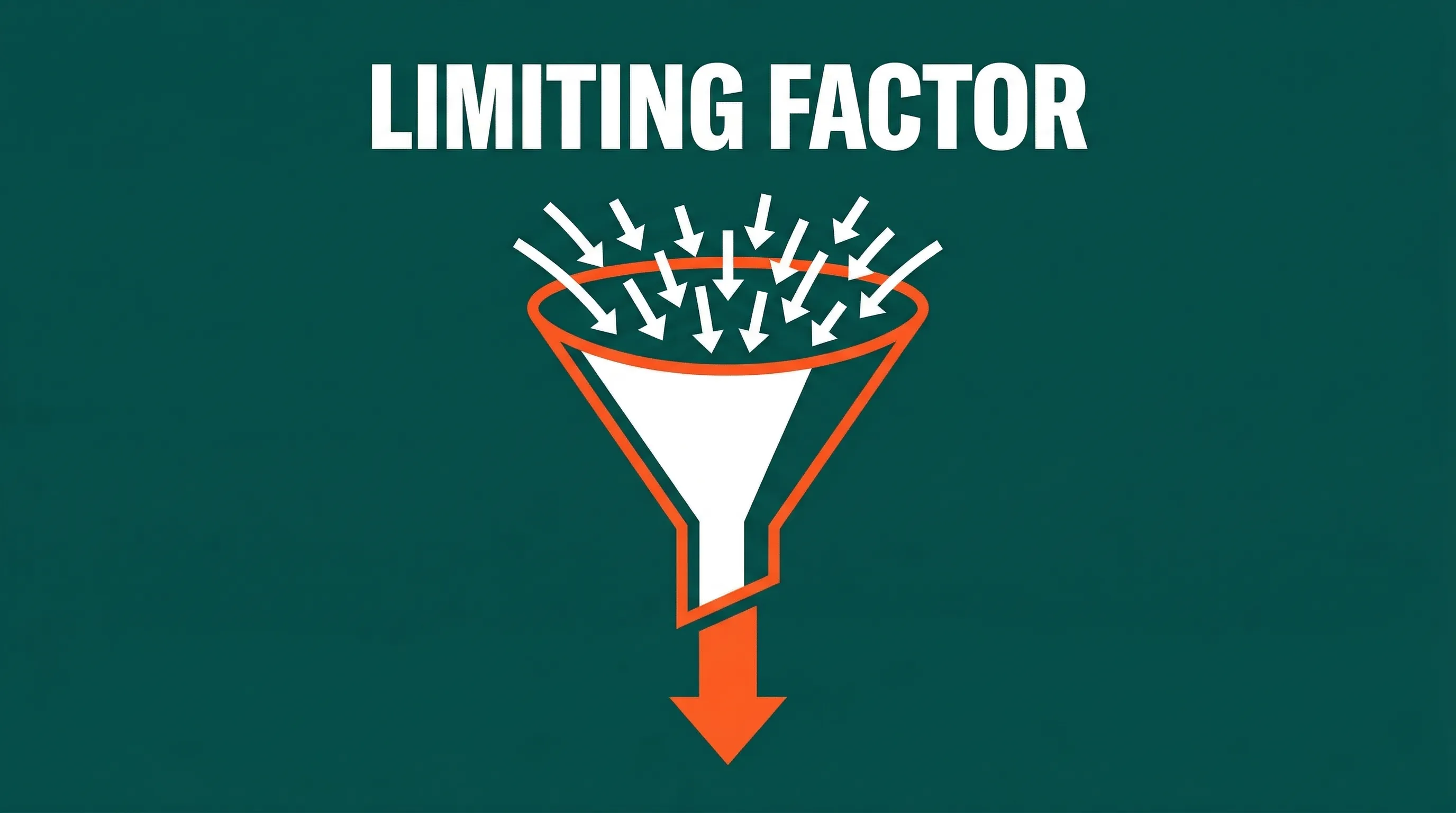
Limiting Factor Thinking: Elon’s Operating System
Sam and Shaan distilled Elon’s thinking from this interview into three pillars:
- A massive mission — big enough to justify going all in
- Maniacal sense of urgency — not “next quarter,” but “today”
- Identify the limiting factor — then throw everything at it
The third point is what Elon emphasized repeatedly. Most people facing complex problems push ten things forward simultaneously. Elon’s method is to find the one bottleneck where “if you don’t solve this, nothing else matters,” then concentrate all resources on it.
Shaan immediately applied this framework to his own business: if you want to expand to 13 new cities, what’s the limiting factor? Not money, not technology — it’s bandwidth, it’s people.
Identify the limiting factor, then “go ape on it.”
Sam added a more practical insight: many people say “I have other things to do.” His most effective approach is to acknowledge tradeoffs explicitly — “Accept mediocre progress here for exceptional progress there.”
“Controlling AI? Don’t Kid Yourself”
The most striking part of the interview for both hosts.
When Dwarkesh asked how to ensure AI benefits humanity, Elon didn’t give the standard optimistic answer. He said: if AI is 100 times smarter than humans, believing we can maintain control is “foolish.”
Dwarkesh pushed back: So you’re a doomer?
Elon’s response: I’m just trying to be realistic. If silicon intelligence outnumbers biological intelligence by a million to one, all you can do is try to ensure it has the right values.
Sam’s reaction: this coming from a person who’s actively building AI is essentially admitting “what I’m building will be smarter than all humans, and we won’t be able to control it.”
Elon used the chimp-human analogy — when the intelligence gap reaches that magnitude, the word “control” loses meaning. You can only hope it chooses to treat you well.
Human Emulators: Everything a Human Does on a Computer, in 12-24 Months
Elon revealed his AI strategic path in detail for the first time.
The logic: before building truly intelligent robots, what’s the ceiling for AI capability? The answer — everything a human can do on a computer.
This is xAI’s direction: Human Emulators. Elon believes that within 12 to 24 months, AI will be able to execute any task a human can perform on a computer. Not the hollow promise of AGI, but a more specific, more engineerable goal.
Sam called it Elon’s “Macro Hard” — a system to automate every knowledge worker’s computer operations.
Related reading: xAI MacroHard: What Is Elon Musk’s ‘Human Emulator’ Actually Doing?
“The Infinite Money Glitch”: A Self-Training Warehouse of 10,000 Robots
If Human Emulators are the software ambition, Tesla’s Optimus robot is the hardware play.
Elon’s words: labor is the biggest market in the world. If robots can perform human labor, that’s the “infinite money glitch.” The key inflection point: when robots can build more robots.
But where does training data come from? Tesla’s self-driving works because millions of human drivers contribute data. Robots don’t have that advantage.
Elon’s solution: build a massive warehouse where 10,000 robots self-train. Like a room full of toddlers learning through reinforcement learning and self-play — picking things up, moving things around, collaborating on tasks.
Shaan’s reaction — “My fight-or-flight response just went through the roof.”
Opportunity and Anxiety in the AI Era
Shaan was candid on the show: every time they discuss AI progress, his stress response kicks in. But he reframed that anxiety as an opportunity signal:
“There’s never been more opportunity than this. Catching any piece of this at all is going to put you in the top 1%.”
This “unprecedented opportunity” assessment aligns with many Silicon Valley founders’ intuition. The question isn’t whether the opportunity exists — it’s whether most people have enough attention to seize it.
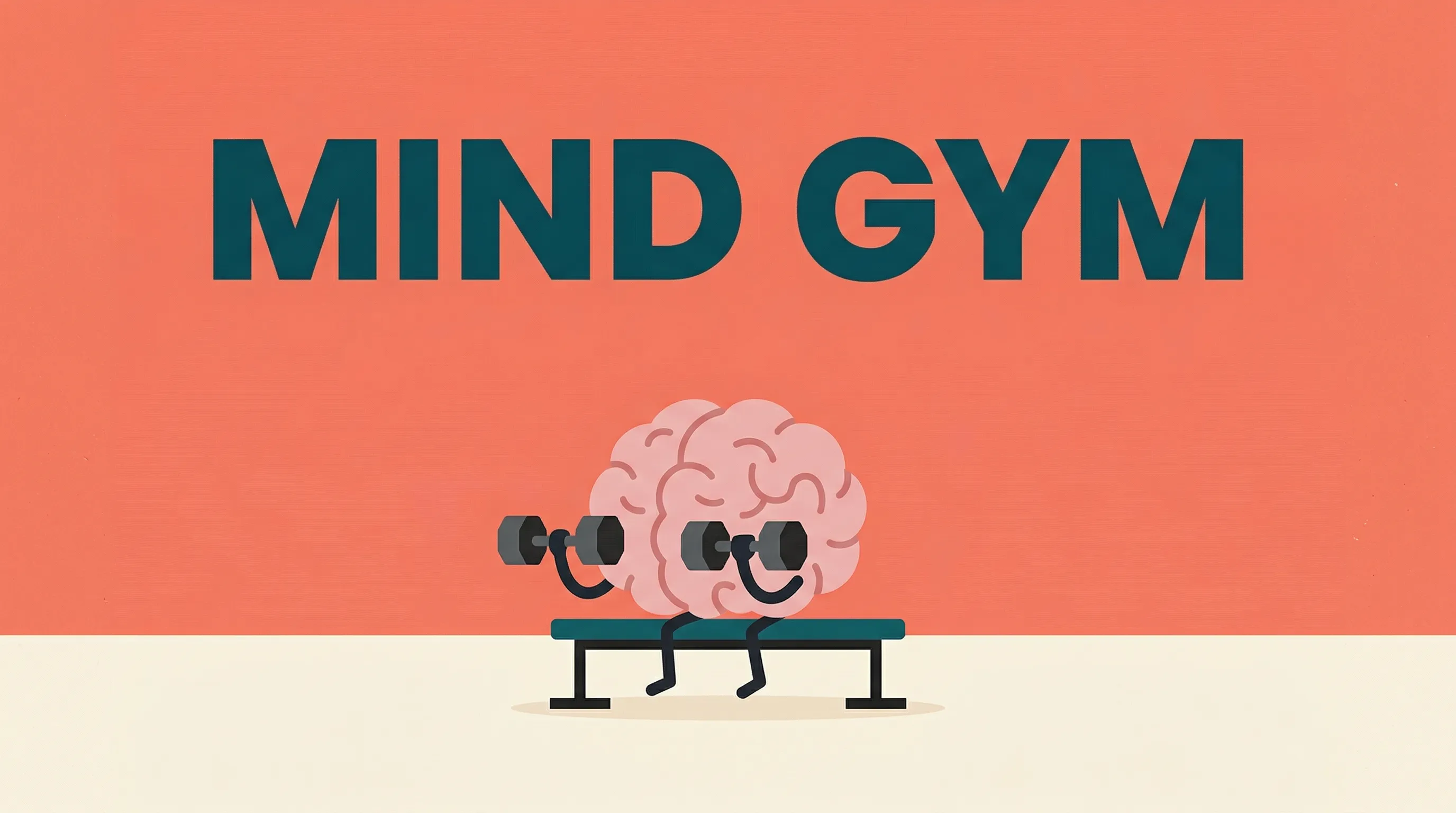
The Attention Crisis: From Gen Z IQ Decline to the “Mind Gym”
Sam cited a data point: Gen Z is the first generation since 1800 to score lower in IQ than the previous one. The decline started in 2010 — coinciding exactly with the rise of smartphones and social media.
Sam’s conclusion is simple: you’re consuming far more news than you need. The answer is just — less.
They referenced a classic study: students reading silently in a classroom retained information significantly better than those interrupted by passing trains. Social media and news feeds are the trains constantly passing by your brain’s classroom window.
Sam mentioned that Telegram founder Pavel Durov doesn’t use a phone, and predicted that “not using a phone” will become standard among the wealthy. Like organic food — when you have enough resources, you choose to distance yourself from things you know are harmful.
Shaan went further, predicting a future “VO2 Max test for attention” — quantifying your focus capacity, just like we measure cardiovascular fitness. His logic: the most effective way to lose weight is to weigh yourself daily. What gets measured gets changed.
The ultimate form: a “mind gym.” Like Marie Kondo decluttering your home, there will be dedicated spaces to “declutter” your brain. As AI takes over more thinking, deliberately practicing focus will become a luxury capability.
Editor’s Note
Sam Parr and Shaan Puri are entrepreneurs and content creators. Their perspective naturally leans toward “how to profit from change.” Their reading of Elon focuses more on actionable frameworks (limiting factor thinking, hiring standards) than on technical accuracy.
The episode gave heavy attention to Elon’s AI safety remarks but didn’t explore the competitive context between xAI and OpenAI. Elon’s “AI is uncontrollable” statement can be read as genuine warning or as positioning for his own “open AI” brand.
A few data points worth verifying:
- Gen Z IQ decline: Supported by research (Flynn effect reversal), but “first since 1800” needs stricter citation
- Tesla worth more than next 20 car companies: Largely true at time of recording, but market caps fluctuate
- xAI $250B valuation: Likely refers to a specific funding round, not public market price
Key Takeaways
- Hire for delivery: Elon’s only criterion across 1,000+ interviews — evidence of exceptional ability
- Limiting factor thinking: Find the bottleneck, concentrate all resources on it
- AI uncontrollable is reality: Even the person building AI admits we can’t control it
- 12-24 months: AI will do everything humans do on computers
- Attention is the new wealth: Gen Z IQ decline, “not using a phone” becoming an elite signal
- Mind gym: Deliberately practicing focus will become a scarce competitive advantage
Summarized from My First Million podcast. Original interview from Cheeky Pint × Dwarkesh Patel. Quotes are faithful representations of podcast discussion; some views are the hosts’ personal interpretations.
If you found this helpful, consider buying me a coffee to support more content like this.
Buy me a coffee